A septic tank installation permit helps local officials review a new system before work starts. It checks the site, soil, tank, drainfield, setbacks, and design. Rules vary by state and county. In Dallas, property owners should confirm the current rules before hiring anyone for septic work.
Table of Contents
- Do you need a septic tank installation permit?
- Who issues septic tank installation permits?
- What does a septic installation permit cover?
- When do septic system projects trigger a new permit?
- What is a perc test, and is it required for a permit?
- How do you apply for a septic tank installation permit?
- Who should you contact about a septic installation permit?
- Frequently Asked Questions
- Key takeaways
- Conclusion
Do you need a septic tank installation permit?
Most new septic systems need approval before construction begins. A permit lets the right agency review the tank, soil, and treatment area. It helps make sure wastewater is treated safely. It also helps protect wells, homes, streams, and groundwater.
Rules differ across the United States. Many areas require a permit for a new home, a replacement system, or a major change. Some small repairs may use a simpler process. Other repairs need a full review when they change the tank, drainfield, location, or system size.
Do not rely only on an old permit. It may belong to a past owner, an older system, or another design. The local agency can check the records. It can also tell you if new approval is needed for your planned work.
When a new septic system requires approval
A new system usually needs approval before digging starts. The review may look at bedrooms, wastewater flow, soil, groundwater, slopes, wells, property lines, and surface water. The agency may also ask for a site plan from a qualified professional.
The permit record helps more than the current owner. It can help buyers, tenants, lenders, and neighbors. A clear record shows what was approved and where the system was placed. This information may matter during a sale, inspection, remodel, or insurance review.
Why installing without a permit can create problems
Unapproved work can cause failed inspections and correction orders. The agency may require parts to be removed or changed. It can also delay a certificate of occupancy. A property may be harder to sell when the system has no clear approval record.
A future buyer may wonder if the system follows current rules. They may also question whether it can serve the home. For this reason, Septic Tank Service Dallas encourages Dallas owners to check local rules before hiring for installation work. Septic tank pumping professionals can explain system parts and care needs, but the permitting agency decides approval.
Who issues septic tank installation permits?
A local health department often issues septic permits. The office may also be called an environmental health department, public health department, or onsite wastewater office. The name and process depend on the property location.
The office reviews applications and may inspect the property. It can explain which forms to use and whether soil testing is needed. It can also explain setbacks and keep records for older systems. Ask for the agency serving the property, not simply the office closest to you.
The U.S. Environmental Protection Agency explains the basic role of septic systems and proper management. Local agencies then apply state and county rules to each property. Soil, water tables, lot size, weather, and land use can change those rules.
The role of local health departments
The health department may review the site plan, soil results, design, and installation details. It may approve the work before construction. It may also return for one or more inspections. Some offices need an as-built drawing after the work ends. This drawing shows the final tank, pipe, and treatment area locations.
The agency may review the number of bedrooms and the building’s use. A home, rental, restaurant, office, or campground may have different wastewater needs. Give accurate details on the application. A system must match the expected use.
When state or environmental agencies are involved
A state agency may set standards or license installers. It may also oversee special sites. State review may apply near wetlands, public water supplies, large buildings, or sensitive watersheds. Federal rules can apply in limited cases, but most household decisions happen locally.
Ask the local office if another agency must review the project. This can prevent delays after the first application. A septic professional who works in Dallas and nearby communities may know which office usually handles home projects. Still, the agency is the final source for current rules.
What does a septic installation permit cover?
A septic installation permit usually covers the approved site, design, tank, treatment area, and installation plan. It may list inspection steps and other work rules. It does not allow an owner to move the system or change the design without approval.
A septic system is a private setup that treats wastewater without a public sewer. It often has a tank, pipes, a drainfield, pumps, controls, and soil or treatment equipment. The tank is only one part. Each part can affect approval.
Site evaluation, soil testing, and system design
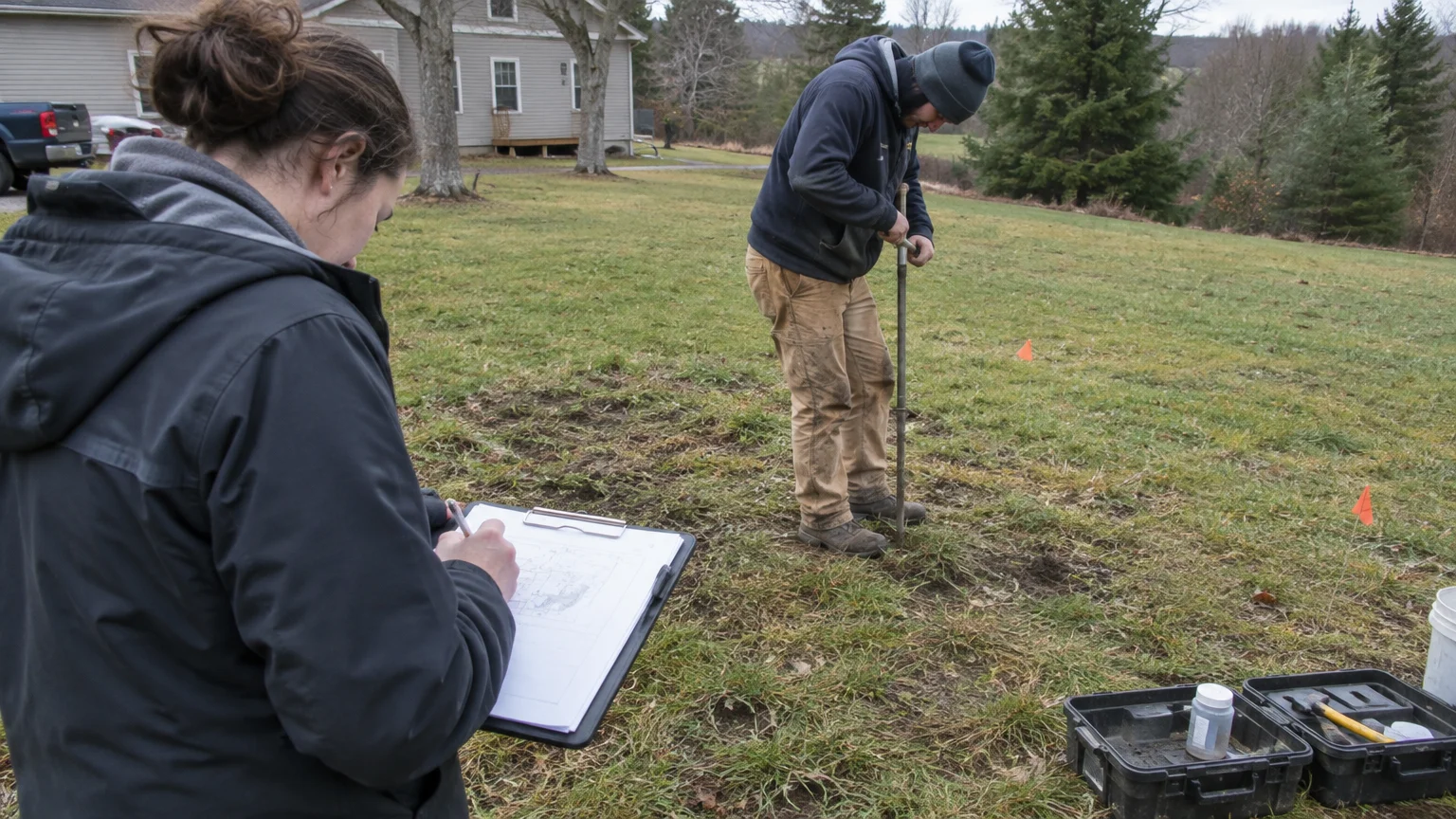
The agency may need a site evaluation before approval. This review looks at soil, rock, slope, seasonal groundwater, flooding, and nearby water. The site must have enough space and suitable soil for treatment.
A soil or perc test checks how water moves through the soil. A qualified person may perform the test under local rules. The results help show if a normal drainfield will work. They may also show that another approved design is needed.
The design may show tank size, trenches, beds, pumps, and reserve space. It should match the building’s expected wastewater flow. A large home or business may need a different system than a small home.
Property boundaries, setbacks, and approved components
Setbacks are required spaces between a septic system and nearby features. These may include buildings, wells, roads, streams, property lines, and drainage areas. Exact distances vary by local code and site conditions. The approved plan should show each feature clearly.
The agency may approve certain tanks, pipes, pumps, treatment units, and controls. Changing one part can affect the design. Ask before replacing equipment, moving the tank, or building near the drainfield.
Keep the approved plan with inspection notes and maintenance records. Keep the final drawing too. These records help future owners find the system and protect it from damage.
When do septic system projects trigger a new permit?
A new permit may be needed when a project changes system size, location, treatment method, or property use. New construction and full replacements are common examples. A repair may also need review if it affects the drainfield. Adding bedrooms can change the required system size.
Rules depend on the local agency and the existing system. Do not assume a small repair needs no notice. The agency can tell you if the work needs a repair permit, change permit, installation permit, or no new permit.
New construction, replacements, and expansions
New construction usually needs a site review and approved design. A full septic tank replacement may need similar review. This is common when the old system failed because of poor soil, little space, or high groundwater. The new system may need a different treatment method.
A home addition can increase wastewater flow. Adding bedrooms may trigger review even when the system still works. A finished basement, guest unit, rental change, or business use may also change the rules.
Ask about septic capacity before final building plans are complete. This can reveal limits that affect the location, size, or design of the addition.
Repairs, additions, and changes in property use
Some repairs include cleaning, replacing a lid, fixing a baffle, or repairing a pipe. Homeowners can safely handle simple upkeep. This includes keeping vehicles off the drainfield and watching for surface damage. Do not enter a tank or work near wastewater without proper training.
Changing a home into a business or rental may require review. The same may apply to food service, events, offices, and other uses. These uses may create more wastewater. Tell the agency how the property will really be used.
When you are unsure, ask before work begins. A short check can prevent a later correction or delay.
What is a perc test, and is it required for a permit?
A perc test is a field test that shows how quickly water moves through soil. It is often part of a new system review. The exact test and name vary by local rules. Some areas use a wider soil review instead.
The result helps officials decide if the soil can treat wastewater. It also helps a designer choose the drainfield type, size, and location. A passing test does not ensure approval. The agency may still review slope, groundwater, setbacks, lot layout, and design.
How soil and site conditions affect approval
Good soil needs enough depth and drainage for treatment. Soil that drains too slowly may hold wastewater near the surface. Soil that drains too fast may not treat it well before it reaches groundwater. Rock, fill, shallow soil, flooding, and steep slopes can also cause problems.
One part of a property may have good soil while another does not. Testing must cover the proposed drainfield and reserve area. Keep that area clear of sheds, driveways, pools, trees, and future buildings.
The agency may require an approved soil evaluator, designer, or licensed professional. Ask who may perform the test before scheduling it.
What happens when a property fails the evaluation
A failed evaluation does not always mean septic treatment is impossible. Options may include another drainfield area, a raised system, pressure distribution, or advanced treatment. The allowed choice depends on local rules and site limits.
The agency may need more information before deciding. A designer can review the lot and explain allowed options. Do not install a system based only on an informal soil opinion. The proper agency must approve the final plan.
How do you apply for a septic tank installation permit?
The process usually starts with the local permitting office. The owner submits property details, a site plan, soil results, a proposed design, and required forms. The office reviews the package and may ask for changes before approval.
Review can take longer when records are missing or the lot is small. Difficult soil or several reviewing agencies can also cause delays. Apply before excavation or major equipment orders. Approval should be ready before construction begins.
Documents and information to prepare
The exact list varies, but an owner may need:
- The property address, parcel number, and owner information.
- A site plan showing buildings, wells, roads, slopes, water, and property lines.
- The planned bedroom count and property use.
- Soil, perc test, or site review results.
- A septic design from an approved professional.
- Details about the tank, drainfield, pump, treatment unit, and reserve area.
- Permission for the agency or approved professionals to enter the property.
Compare the application with the deed and building plans. Different addresses, parcel numbers, or bedroom counts can cause questions. Clear records help the reviewer understand the project quickly.
Inspections, approvals, and permit timing
The agency may inspect before construction, during installation, and after key parts are placed. Some inspections must happen before trenches are covered. The installer should know when to request each inspection.
After approval, follow the plan exactly. Report changes before making them. The final file may include an as-built drawing, inspection approval, operating instructions, and maintenance needs.
Local schedules differ, so ask about each review step early. Septic Tank Service Dallas can help Dallas property owners prepare questions before arranging septic pumping, maintenance, or installation-related work.
Who should you contact about a septic installation permit?
The local health or environmental health department should be your first contact. It can confirm the application, testing rules, setbacks, inspections, and approved professionals. Give the full property address and explain the planned work.
A qualified septic designer or installer can help prepare the technical parts. A septic pumping company may help with records, tank access, maintenance, and system condition. However, a service company cannot replace approval from the permitting agency.
Questions to ask the permitting authority
Owners can ask:
- Does this project need a new permit or repair approval?
- Who may perform the soil review or perc test?
- What setbacks apply to wells, buildings, streams, and property lines?
- How many bedrooms or occupants should the design support?
- Which inspections must happen before work is covered?
- Is a final drawing required after installation?
These questions help owners understand the process before work starts. Ask how long the permit remains valid. Also ask what happens if the design changes.
How a qualified septic professional can help
A qualified professional can inspect accessible parts and explain maintenance needs. They can review site conditions and help find missing records. They may also work with the designer and installer. This support can help homeowners, landlords, investors, and buyers.
Septic Tank Service Dallas serves property owners across Dallas and nearby areas. For a Dallas property, first confirm permit rules with the local agency. Then use a qualified professional for work involving wastewater, buried lines, tanks, or electrical equipment.
Frequently Asked Questions
How deep should a septic tank be?
A septic tank should be installed at the depth shown in the approved design. Depth depends on soil cover, pipe slope, access, groundwater, frost, and local rules. Keep the tank available for inspection and pumping. Do not bury the lid without checking the plan.
How far does a septic tank need to be from a house?
The required distance varies by state, county, soil, and system design. Setbacks may also apply to wells, roads, property lines, and streams. The approved site plan is the best guide. The local office can confirm the rule before installation.
Who performs a perc test?
A soil evaluator, engineer, designer, or other approved professional may perform the test. The allowed person depends on local rules. Ask the agency before hiring anyone. A test from an unapproved person may not support the application.
What is a septic system?
A septic system treats wastewater where public sewer service is not available. It usually has a tank, pipes, a drainfield, and soil or treatment equipment. Solids settle in the tank. Liquid moves to the treatment area. Regular maintenance helps protect the system and nearby water.
Does septic tank pumping replace a permit?
No. Pumping removes solids from the tank, but it does not approve construction or changes. A permit may be needed for installation, replacement, expansion, or some repairs. Ask before changing the tank, drainfield, pipes, or property use.
Key takeaways
- A new septic system usually needs approval before construction begins.
- The local health department explains the current rules.
- A permit may cover soil, design, setbacks, equipment, and inspections.
- Replacements, additions, and changed property use can trigger review.
- A perc test is only one part of the site evaluation.
Conclusion
A septic tank installation permit helps show that a system fits the property and local health rules. It can protect owners, buyers, tenants, neighbors, and nearby water. The process may include soil testing, a site plan, system design, inspections, and a final record.
Rules differ across the country, so begin with the agency serving the property. Qualified septic professionals can explain system condition and prepare for approved work. The agency gives the final approval. Contact us to discuss septic system questions and plan the next step.