Septic tank designs affect how wastewater settles, gets treated, and reaches the drainfield. The main choices are gravity systems and alternative treatment systems. The right choice depends on soil, land shape, home use, local rules, and care needs. Warning signs may point to design, setup, or maintenance problems.
Table of Contents
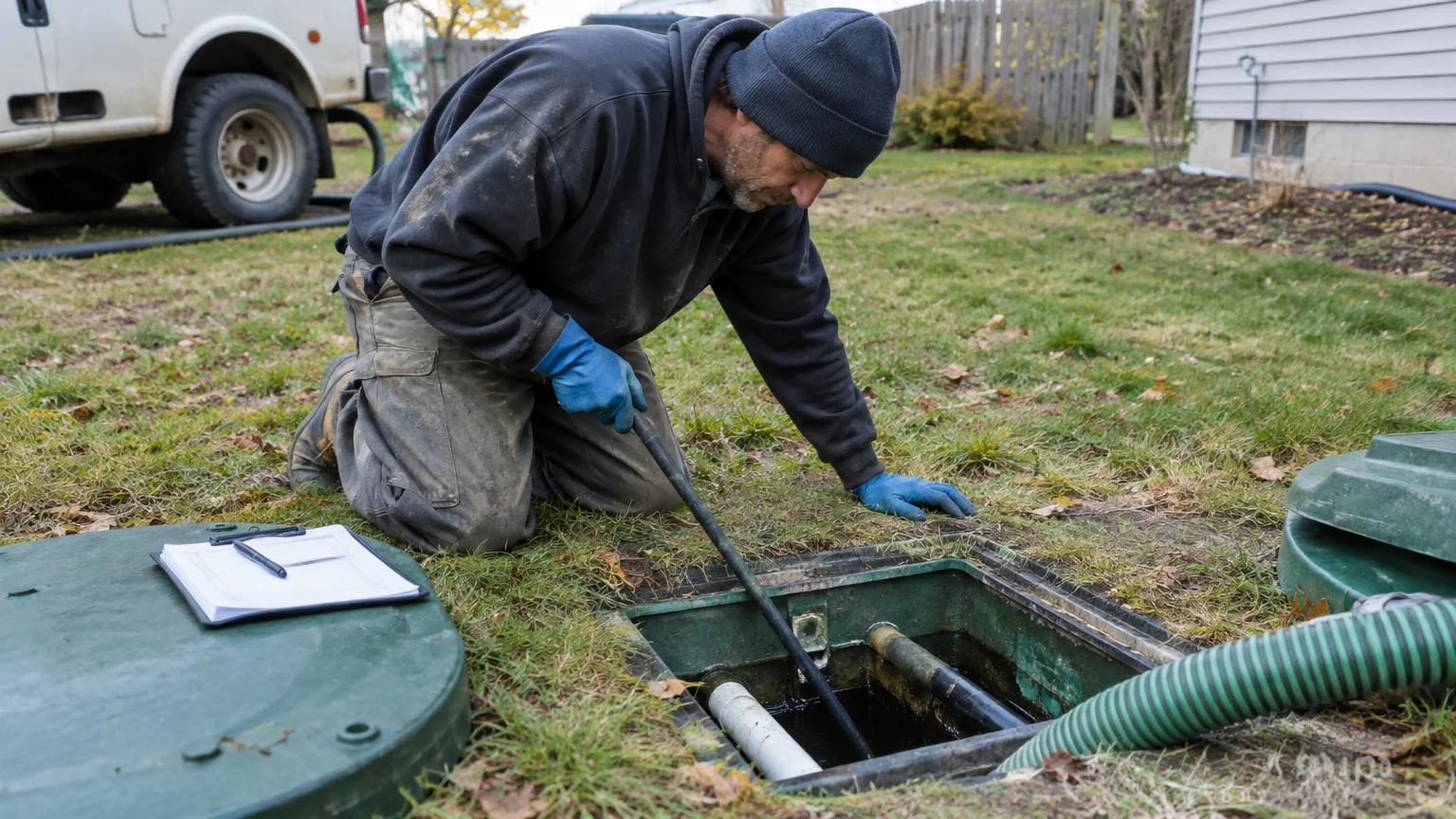
- What are the main septic tank designs?
- How can septic tank design affect system performance?
- What does a septic system warning sign mean?
- What causes septic tank design-related problems?
- What should you do when a septic system shows signs of failure?
- When is a septic system problem urgent?
- How can property owners choose and maintain the right septic tank design?
- Frequently Asked Questions
What are the main septic tank designs?
Septic tank designs fit into two main groups. These are conventional gravity systems and alternative systems. Both types collect wastewater in a buried tank. The key difference is how wastewater gets treated and moves to the drainfield.
Conventional gravity septic systems
A conventional system has a septic tank, outlet pipe, and drainfield. Wastewater enters the tank by gravity. Heavy solids sink to the bottom and form sludge. Grease and oils float and form scum. The liquid layer between them leaves through the outlet pipe.
The drainfield is also called a leach field. It spreads treated wastewater through the soil. The soil removes many harmful particles before the water moves deeper underground. This design works best when the soil, water table, slope, and open land meet local rules.
A septic tank is a buried container that separates solid waste from liquid wastewater. A septic system includes the tank, pipes, drainfield, soil, and other parts. Knowing this difference helps owners look beyond the tank when trouble starts.
Alternative septic tank designs and treatment systems
Alternative systems may use pumps, filters, air, pressure lines, or extra treatment units. They can help properties with shallow soil, high groundwater, little space, steep slopes, or hard soil. Some systems need power and more regular checks than gravity systems.
A trained designer or local health office usually helps choose the system. Septic Tank Service Dallas can help Dallas property owners know what to ask before service or an inspection. A design that works on one lot may fail on another because each site has different conditions.
How can septic tank design affect system performance?
Design affects how much wastewater a system can handle. It also controls how evenly water reaches the soil. A good design matches the home, soil, lot, and normal water use. A poor match may cause slow drains, odors, wet ground, or early failure.
Drainfield layout, soil, and site conditions
The drainfield needs enough room and the right kind of soil. Soil that drains slowly may hold wastewater near the surface. Soil that drains too fast may not clean the water well enough. A perc test, or percolation test, checks how fast water moves through soil. A local professional or health office usually decides who may perform this test.
The drainfield also needs protection from cars, sheds, pools, large trees, and heavy grading. Heavy soil can limit water movement. Tree roots can enter broken pipes or disturb the field. Water from roofs and driveways should flow away from the drainfield.
Dallas properties may have different soil and slope conditions from nearby lots. This is one reason a standard design should not be copied from another home. A site review helps match the system to the land.
Tank materials, capacity, and access
Concrete, fiberglass, and plastic tanks each have benefits and limits. Concrete tanks are heavy and strong, but they may crack or shift. Plastic and fiberglass tanks resist some corrosion, but they may move when groundwater pressure is high. Soil and local rules help guide the best choice.
Tank size must match expected wastewater use. A home with many residents, regular guests, or high-flow fixtures may put extra stress on a small system. Easy access also matters. Buried lids make inspections and septic pumping harder. Broken or weak covers can create a serious safety risk.
What does a septic system warning sign mean?
A warning sign means wastewater may not be moving, settling, or getting treated as planned. One symptom does not prove that the tank has failed. Still, several signs together need quick attention. This is especially true when they appear near the tank or drainfield.
Slow drains, backups, and sewage odors
Slow drains throughout the property may point to a full tank, blocked pipe, or failing drainfield. One slow sink often has a local clog instead. Toilets that gurgle when another fixture runs may show air or wastewater movement problems.
Sewage odors near the tank, cleanout, or drainfield may mean gases are escaping. They may also mean wastewater is reaching the ground. A damaged lid, blocked vent, broken pipe, or full tank can cause odors. Owners should not open a tank without proper training. Septic gases can harm people, and tank openings can cause falls.
Wet spots, standing water, and unusually green grass
Wet ground over a drainfield may mean the soil cannot take in wastewater. Standing water with a sewage smell is more serious than normal rainwater. Very green grass in one area may show that wastewater and nutrients are reaching the surface.
These signs can also come from sprinklers, rain, a broken water line, or poor yard drainage. The location and timing matter. Septic Tank Service Dallas can help property owners separate likely septic issues from other causes during a proper check.
What causes septic tank design-related problems?
The cause is often a care or water-use problem, not a fully wrong design. Problems can grow slowly. The first clear sign may appear long after the system was installed. A professional inspection can sort through the possible causes instead of relying on one symptom.
Most likely causes ranked by probability
Common causes include late pumping, heavy water use, a blocked outlet filter, a clogged pipe, or damage near the tank. These issues limit flow and can make a healthy system seem like a failing one. Heavy rain can also fill the soil around the drainfield and reduce its ability to take in wastewater.
Other causes include flushing wipes, pouring grease down drains, using harsh chemicals often, or driving over the drainfield. These actions can harm pipes, add solids, or damage the soil. They may not cause failure at once, but repeated stress can shorten system life.
Homeowners can safely help with some simple upkeep. They can spread out laundry, fix leaking taps, keep vehicles off the field, and watch for changes in the yard. They should not open the tank, enter it, dig around buried parts, or repair pumps without proper training.
Less common design, installation, and maintenance issues
Less common problems include a tank that is too small, poor drainfield placement, crushed pipes, a failed pump, tank movement, or groundwater entering the system. An older system may also lack parts found in newer designs. That does not always mean septic tank replacement is needed.
A design problem should be confirmed with records, measurements, and site checks. Property owners should not assume that a septic pumping visit will solve every issue. Pumping removes built-up solids. It does not repair damaged soil, broken pipes, or failed pumps.
What should you do when a septic system shows signs of failure?
First, reduce wastewater use and keep people away from sewage. Children and pets should stay away from wet areas. Do not drive over the tank or drainfield when the ground is soft. These simple steps can limit contact and prevent added damage.
Immediate steps to protect the property
Use water only for important needs until the cause is known. Do not run many loads of laundry, take long showers, or use large amounts of water at once. Do not pour drain chemicals into the system. Keep tank lids closed, and mark unsafe areas without digging.
Write down the date, place, smell, weather, and type of problem. Photos may show wet ground or unusual grass growth. A short record also helps compare changes after pumping, repairs, or an inspection.
Information to gather before a professional inspection
Useful records include the tank location, pumping history, permits, inspection reports, repair records, and household size. Owners should also note new rooms, landscaping work, heavy rain, plumbing changes, or unusual water use.
A professional may check the tank, baffles, outlet filter, pipes, pump, alarms, and drainfield. The check may also look for leaks or wastewater at the surface. These steps help show whether pumping, a repair, a drainfield review, or a wider system check is needed.
When is a septic system problem urgent?
A septic problem is urgent when sewage reaches the surface, backs up into a building, creates a fall risk, or may affect a well or stream. Quick action helps protect health and limit damage. Waiting can spread wastewater into soil, yards, crawl spaces, or nearby water.
Health and environmental hazards that need prompt attention
Raw sewage may contain harmful germs. Do not touch it, and keep pets away. Anyone working near dirty water should follow local health advice and use proper protective gear.
Urgent warning signs include sewage inside the home, wastewater near a well, strong indoor sewage smells, a flooded pump area, or a damaged tank lid. Never enter a septic tank. Dangerous gases and low oxygen can cause death without warning.
When pumping, repairs, or a full system evaluation may be needed
Pumping may help when a tank has too much sludge or scum. It will not fix every cause of failure. A blocked line, broken baffle, failed pump, filled drainfield, or poor site design may need separate work.
A full system check is a better choice when symptoms return soon after pumping. It may also be needed when several parts show problems or when a property is being bought or sold. Local rules may require an inspection during a property transfer. Septic Tank Service Dallas serves Dallas and nearby communities, so owners can plan the next step with better information.
How can property owners choose and maintain the right septic tank design?
The right system starts with a site review, not tank size alone. Owners should consider soil, slope, groundwater, open space, household use, power needs, and future changes. A qualified designer should explain how each part works and what care it needs.
Questions to ask before installing or replacing a system
Property owners should ask:
- Which system types fit the soil and lot?
- How will the drainfield stay safe from traffic and runoff?
- Does the system need power, alarms, filters, or pumps?
- Where are the tank, lids, pipes, and drainfield located?
- What permits and records should the owner keep?
- Which warning signs need immediate service?
Owners should also ask how the design handles normal water use. A first-time buyer may want a septic inspection before closing. Investors and landlords should confirm access, care records, and local rules before planning changes.
Maintenance practices that help prevent future failure
Regular pumping based on use, tank size, and solids buildup helps keep solids out of the drainfield. Follow the schedule suggested by a trained professional instead of relying only on a calendar. Water-saving fixtures and spread-out laundry loads can lower sudden flow.
Only human waste and toilet paper should go into the toilet. Grease, wipes, paint, chemicals, medicine, and litter belong elsewhere. Keep heavy equipment, deep-rooted plants, and new buildings away from the drainfield.
Emergency pumping may be needed when sewage backs up or the tank is badly overfilled. However, pumping does not replace a full repair when the drainfield, pipes, or pump has failed. A professional can explain which work is needed after checking the system.
Key takeaways
- Septic tank designs should match soil, slope, groundwater, and home use.
- Slow drains, odors, wet spots, and green grass can signal trouble.
- Pumping removes solids but cannot fix every tank or drainfield problem.
- Sewage backups and surface wastewater need prompt attention.
- Good records and safe maintenance help protect the whole system.
Conclusion
A septic system works as one connected unit. The tank, pipes, soil, drainfield, and care plan all matter. When warning signs appear, early action can limit damage and help find the true cause.
Septic Tank Service Dallas helps property owners understand septic concerns across Dallas and nearby service areas. Contact us to discuss a septic system concern or plan the next service step.
Frequently Asked Questions
How deep should a septic tank be?
A septic tank is buried deep enough to protect the tank and pipes. The lids should still be reachable for checks and pumping. Exact depth depends on the design, soil, frost, slope, and local rules. Never dig blindly because buried utilities and unsafe tank openings may be nearby.
What is a septic tank?
A septic tank is a buried container that receives wastewater from a building. Heavy solids sink, light material floats, and liquid leaves for the drainfield. The tank does not fully clean wastewater by itself. The soil and drainfield provide much of the remaining treatment.
Who performs a perc test?
A perc test is usually arranged through a qualified soil worker, septic designer, engineer, or other person approved by the local health office. Rules vary by area. The local authority can explain who may perform the test, what forms are needed, and how results affect system design.
How do you spell cesspool?
The word is spelled cesspool. A cesspool differs from a modern septic system. It often lets wastewater seep through the sides or bottom without the same tank-and-drainfield design. Local rules may limit cesspools, so owners should ask the health office about older properties.
How can owners tell when a septic tank needs pumping?
Warning signs may include slow drains, sewage odors, backups, or wet ground near the drainfield. Some tanks show no clear sign before trouble starts. Pumping needs depend on tank size, home use, solids buildup, and local advice. A trained professional can inspect the tank and suggest the next step.
If you are unsure what the problem means, having the system checked early can help prevent a larger failure. Septic Tank Service Dallas can help property owners understand the condition of their system and the next safe step.
If you are not sure what you are dealing with, it is worth having someone look at it before it turns into a bigger job. Find out more about our septic tank pumping in Dallas. Get in touch with Septic Tank Service Dallas today and we will tell you where you stand.