The answer to how long does it take to pump septic tank depends on access, tank size, sludge levels, and site conditions. Many routine visits take from about 30 minutes to a few hours. A technician may need more time when the tank is buried, hard to find, damaged, or due for a closer inspection.
Table of Contents
- How long does it take to pump a septic tank?
- What happens during a septic tank pumping appointment?
- How do septic tank parts work together during pumping?
- What can make septic tank pumping take longer?
- How should you prepare for septic tank pumping?
- What should you expect after the septic tank is pumped?
- What are common misconceptions about septic tank pumping?
- Key takeaways
- Frequently Asked Questions
- Conclusion
How long does it take to pump a septic tank?
A routine septic tank pumping visit often takes less than a few hours. The pumping itself may take less time than the full appointment. Workers may need to find the tank, uncover the lids, check the system, remove the waste, and secure the area.
The property can change the timeline. A tank near a clear driveway is easier to reach than one below soil, plants, gravel, or a deck. Records can help the technician find the tank before work starts. Owners can check health department files, closing papers, or past service records.
What happens before the pumping begins?
Before work starts, the technician confirms the tank location. The technician also checks the safest path for the service truck. They may ask about backups, slow drains, odors, or unusual water use. These details can point to a larger septic problem.
The access area must then be opened. Some tanks have visible risers and lids. Others have covers below the ground. Finding and uncovering a buried tank can add time, especially when records are missing.
What factors affect the timeline?
Tank size, waste levels, access, weather, and site layout all matter. A tank with thick sludge may need careful work. Sludge is the heavy solid layer at the tank bottom. Scum is the lighter layer that floats on top.
Septic Tank Service Dallas helps Dallas property owners understand what may affect the visit. A clear tank location and a list of recent symptoms can help the provider plan. This also helps tenants, investors, and first-time buyers know what to expect.
What happens during a septic tank pumping appointment?
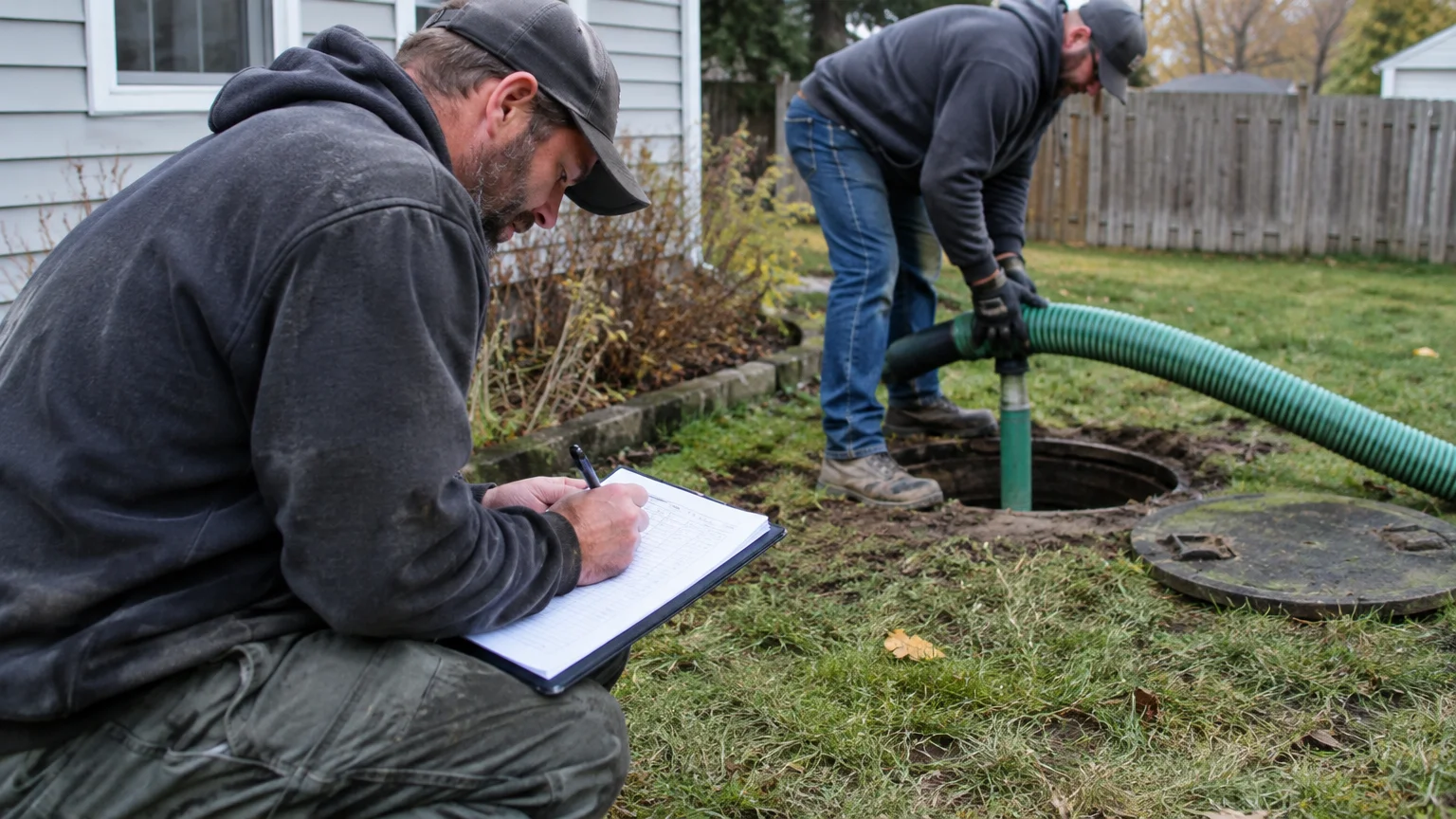
A septic system pumping service usually follows a clear order. The technician arrives, confirms the tank location, opens the access points, checks the tank, removes liquid and solids, and closes the area. The work should include safe handling and full removal, not just making the tank look empty from above.
First, the technician checks the work area. The truck needs a safe place to park, and the hose must reach the tank. The crew may protect nearby surfaces. People and pets should stay away from the work zone.
Next, the tank lids are opened. The technician may check the inlet, outlet, baffles, liquid level, and visible tank walls. Baffles are parts that guide wastewater into and out of the tank. They also help keep solids in place.
The pumping hose removes wastewater, sludge, and scum. The technician may move the hose to different spots inside the tank. This helps remove settled waste instead of drawing liquid from only one area.
Plain-language walkthrough of the pumping process
The pumping process normally includes these steps:
- The crew confirms the tank location and truck access.
- The access lids are uncovered, opened, and checked.
- The technician looks for damage, high water, or unusual conditions.
- The hose removes liquid, sludge, and floating material.
- The inlet, outlet, baffles, and nearby area receive a visual check.
- The lids are secured, and the work area is left ready for repair.
The technician may explain the findings before leaving. A standard pumping visit does not always include repairs, digging, or a full inspection. Those services may need separate planning when the tank or drainfield has a problem.
Septic pumping timeline from arrival to cleanup
The timeline has five main stages: arrival and access checking, lid opening, tank inspection, waste removal, and cleanup. The parts involved include the tank, inlet pipe, outlet pipe, baffles, lids, service hose, and truck.
Pumping is more than connecting a hose. The visit includes access, safe handling, removal, basic checks, and cleanup. This explains why two visits with similar tank sizes may still take different amounts of time.
How do septic tank parts work together during pumping?
A septic tank is a buried container that holds wastewater from a property. A septic system also has pipes, a drainfield, and soil. These parts help treat and spread wastewater. Pumping removes solids and liquid so the tank has room to keep working.
Wastewater enters through the inlet pipe. Heavy solids sink, light material floats, and liquid stays between those layers. Natural bacteria break down some waste, but they do not remove everything. The outlet pipe carries clearer liquid toward the drainfield.
During pumping a septic system, the technician removes the stored contents through an access opening. The inlet and outlet show how wastewater moves. Baffles protect the flow paths by slowing movement and helping stop solids from reaching the drainfield.
How the tank, inlet, outlet, and baffles interact
The inlet pipe brings household wastewater into the tank. The outlet pipe sends liquid toward the drainfield. The tank separates solids from liquid. Baffles help prevent a strong rush of water from disturbing the layers.
A damaged or missing baffle can let solids move toward the drainfield. This may cause clogs or poor drainage. Pumping removes waste, but it cannot repair a broken baffle or damaged pipe.
Why access covers and tank location matter
Access covers make septic pumping safer and faster. A riser brings the cover closer to ground level. This can reduce digging during later visits. A tank without clear access may take longer because the crew must find and uncover it.
The tank may sit near the home, driveway, garage, or another structure. Its depth differs by property. A septic tank can be shallow or several feet below ground. Soil, design, age, and installation all affect depth. Never enter a tank or lean over an open lid. Septic gases and unsafe conditions can cause serious harm.
What can make septic tank pumping take longer?
Several conditions can extend a septic pumping visit. Common causes include difficult access, heavy buildup, poor records, blocked openings, bad weather, and problems that need more attention. A longer visit does not always mean the system has failed. It may mean the property needs more than routine pumping.
Access is often the first issue. A buried lid, narrow gate, steep slope, soft ground, or long hose path can slow the work. Vehicles may also need firm ground to avoid damage to lawns, driveways, or underground features.
Tank access, sludge buildup, and site conditions
Heavy sludge and scum can make removal slower. The technician may need to move the hose and work around thick layers. A tank that has not been serviced for a long time may hold more waste than expected.
Rain, snow, frozen soil, standing water, and wet ground can affect access. Landscaping, patios, sheds, and additions may also cover the tank. Clear records and visible risers can make future septic tank pump services easier to schedule.
When inspections, repairs, or extra service are needed
Pumping may reveal cracked concrete, damaged lids, broken baffles, blocked pipes, or high water. A basic visual check can find a concern, but it may not explain every drainfield or plumbing problem. More testing may be needed when wastewater backs up after pumping.
A perc test is a soil test that checks how quickly water moves through the ground. A qualified soil professional or other approved specialist usually handles it. A perc test is not the same as routine pumping. It is not needed for every service visit.
Septic Tank Service Dallas can explain when routine septic system pumping may need follow-up work. Property owners should ask what was found, what remains unclear, and which professional should handle the next step.
How should you prepare for septic tank pumping?
Owners and tenants can make the visit easier by finding records, clearing access, and sharing recent problems. The home usually does not need to be emptied. Water use may need to pause during the visit. The provider can explain any special steps before arrival.
Start by looking for tank records, permits, inspection reports, or past invoices. A county or local health department may keep septic records online or in public files. Search terms such as the address, parcel number, septic permit, or onsite wastewater record may help.
What property owners and tenants should do beforehand
The following steps can help prepare the site:
- Mark the likely tank location and share records with the provider.
- Clear cars, toys, furniture, and loose items from the access area.
- Keep children and pets away from the work zone.
- Tell the technician about backups, odors, slow drains, or wet ground.
- Ask household members to limit water use during the visit.
- Avoid digging until the tank location has been confirmed safely.
Tenants should tell the owner or manager about warning signs before service. Investors and buyers should request service records during due diligence. These records may show when the tank was pumped, whether repairs were noted, and where the access points are located.
What to expect from the pumping area and household plumbing
The area around the tank may become muddy or disturbed if digging is needed. The provider should explain the planned access work. The opening should be secured before the crew leaves. People should stay clear until the lids are closed.
Household drains may need a short pause while the tank is serviced. Water should flow normally afterward. Owners should avoid flushing wipes, grease, paint, harsh chemicals, and other materials that can harm pipes or the septic system.
What should you expect after the septic tank is pumped?
After pumping, the septic system should have more working space inside the tank. Drains should work normally when the plumbing and drainfield are healthy. Pumping does not guarantee that every septic problem is solved. Warning signs still need quick attention.
The technician may explain the tank condition, access location, and visible parts. Ask whether the lids were secured and whether the baffles appeared intact. Written service notes can help with future care and property records.
How the system should operate after service
A healthy system should accept normal household wastewater without repeated backups, sewage odors, gurgling drains, or wet ground near the drainfield. One slow drain may come from a home plumbing issue. Several slow drains can point to a wider problem.
Use water wisely after pumping. Spread laundry across the week to reduce sudden flow into the tank. Fix leaking toilets and faucets so excess water does not enter the system.
When to ask about maintenance, inspections, or warning signs
The right pumping schedule depends on tank size, household size, water use, solids, and local conditions. A technician can help choose a plan based on the system. A home with more occupants may need attention sooner than a lightly used property.
Ask for professional help when sewage backs up, odors continue, drains stay slow, or wet areas appear near the tank or drainfield. A first-time buyer should also ask for a septic inspection before purchase when records are missing or the system condition is unclear.
What are common misconceptions about septic tank pumping?
Many people think pumping removes every septic system problem. It does not. Pumping removes stored contents, while pipes, baffles, the drainfield, soil, and household plumbing may have separate problems.
Another mistake is thinking a short appointment proves the work was incomplete. A visible tank with easy access may be pumped quickly. The better question is whether the contents were removed, the tank was checked as agreed, and the lids were secured.
Does pumping remove every septic system problem?
No. Pumping does not repair cracked tanks, broken baffles, blocked pipes, damaged drainfields, or poor soil conditions. It also cannot correct plumbing problems inside the home. When symptoms continue, request a follow-up assessment instead of repeating pumping without finding the cause.
Septic tank cleaning and pumping can mean different things to different providers. Ask what the appointment includes. Clear questions help prevent confusion about inspections, repairs, filters, risers, and other system parts.
Does a fast appointment always mean the work was complete?
No. Time alone does not prove service quality. A fast visit may be reasonable when access is easy and the tank is in expected condition. A longer visit may be needed when the tank is buried, full of thick solids, or hard to reach.
The property owner should ask what was pumped and what was found. Septic Tank Service Dallas helps homeowners and property owners focus on the whole system, not only the time spent at the tank. Dallas owners can use this information when planning service.
Key takeaways
- A routine septic tank pumping visit often takes less than a few hours.
- Access, tank depth, sludge, weather, and site layout affect the timeline.
- Pumping removes tank contents but does not fix every septic problem.
- Clear records and open access can make future service easier.
- Continued backups, odors, slow drains, or wet ground need professional help.
Frequently Asked Questions
How often should a septic tank be pumped?
The best schedule depends on tank size, household use, water flow, and solids. Many owners follow a regular plan, but no single schedule fits every property. A qualified septic professional can review records and system conditions to suggest a useful interval.
How deep should a septic tank be?
Septic tank depth varies by design, soil, age, and installation. Some tanks have covers near the surface. Others sit several feet below ground. Use records or a qualified professional to locate the tank. Never dig blindly or enter the tank.
What is a septic tank?
A septic tank is a buried container that receives wastewater from a property. Solids settle, light material floats, and liquid moves toward the drainfield. The tank holds waste while natural treatment begins. Regular pumping removes buildup that bacteria cannot fully break down.
Who performs a perc test?
A qualified soil professional, engineer, or other approved specialist usually performs a perc test. Local rules decide who may do the work. The test studies how soil absorbs water. It is linked with septic planning or replacement, not routine pumping.
How can someone find septic tank records online?
Start with the county or local health department website. Search for septic permits, onsite wastewater records, parcel records, or environmental health files. The address and parcel number may help. If records are not online, ask the local records office how to request them.
Conclusion
Knowing how long does it take to pump septic tank helps property owners plan without guessing. The pumping may be quick, but access, inspection, cleanup, and site conditions shape the full visit. Good records, clear access, and honest details about symptoms can make the process easier.
Contact us to discuss septic tank pumping and what to expect at your property.